For generations, the soundtrack of July in the Upper Peninsula of Michigan consisted of the bawl and chop of hounds in pursuit, and the baying of a treed bear. It’s a song Adam and Stephanie Bennett have listened to for decades, and one they hope to pass on to their boys, Logan and Eli, who were practically born under a treed bruin.
Carried to trees in a front swaddle as newborns, the boys have tagged along with their parents for years, gaining experience every season. Older now, they want to take on more of the responsibilities of dog handling at the tree. It’s something past generations would have started to do at about their age, but times have changed, and so have the threats to bear hunters – both two and four legged.
In Michigan, the kill season for bears doesn’t start until September, but houndsmen are allowed a summer training season. The availability of resources in July makes it the perfect time to run bears. The landscape is full of ripe berries, allowing bears to roam and cover a lot of country. With bears wandering across many roads and leaving crisscrossing tracks for a hound to follow, training opportunities abound. The weather is beautiful with the summer sun blocked by a thick canopy of trees, providing plenty of shade for dogs and handlers alike.
The tracks left by bears may not be the easiest to follow in the heat of July, but this makes for better dogs in the end. If they can puzzle out and follow a hard track during summer training, the cool damp conditions of the fall hunting season will seem much easier.
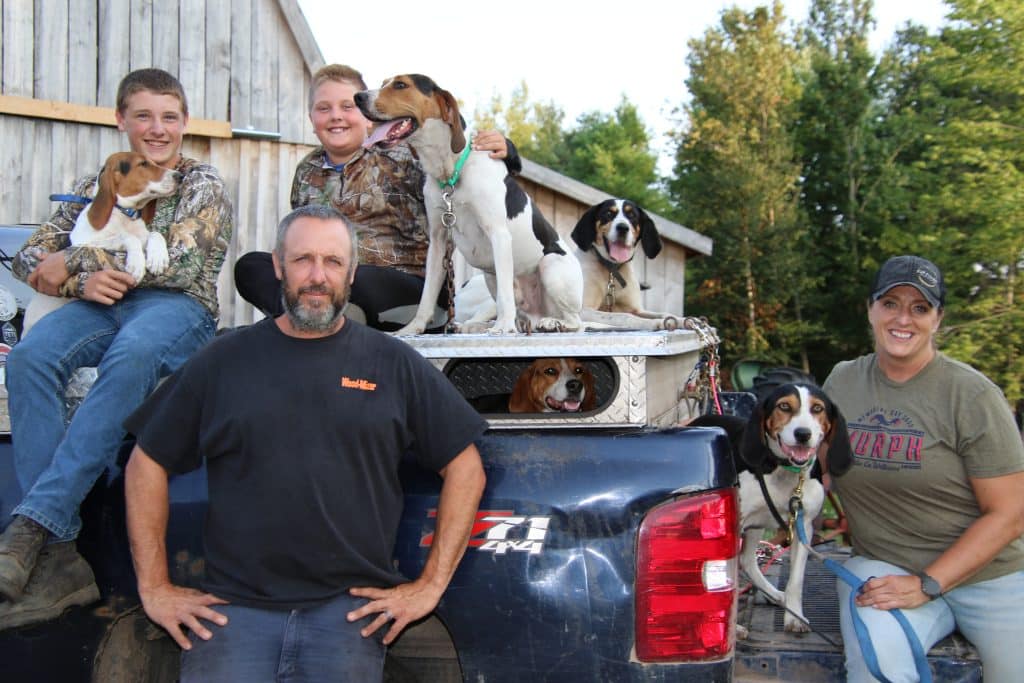
A July bear pursuit 20 years ago meant loading up the family and the dogs to look for a track. Kids would hang out the windows looking for a glimpse of bear sign. Strike dogs would ride on the hood with their nose in the air. The whole scene would have looked much like the September kill season.
Today, an unmanaged wolf population has, for the most part, ended that tradition. Sure, there were wolves in the area back then – heck, the Sportsmen’s Alliance has been working to delist Western Great Lakes wolves for nearly two decades, but the situation was manageable. Time was spent driving in both directions from a bear track in search of wolf tracks, just to be safe. More often than not, wolves didn’t pose an immediate threat, and the could be dogs cut loose. But that’s all changed with the rise of the wolf.
Muting Michigan’s Summer Season
The soundtrack of the July pursuit season rarely has a chance to start anymore. It is a mostly silenced song. A houndsmen must do a great deal of groundwork before he can press play, thanks to the ever-mounting threat of wolves to their pack and family. Threats of emergency vet bills, threats of legal issues if a run-in with wolves takes place and the threat of a lifetime of regret and the real possibility of coming home short of pack members. Those threats have a real influence on the passing down of the hound-hunting heritage to the next generation.
“It impacts how the young dogs learn, it impacts how the young hunters learn,” said Adam Bennett.
While it is true that wolves have long been on the landscape, fewer and smaller packs made the situation somewhat manageable. Houndsmen could protect their packs by not releasing them in areas with fresh wolf sign. Years ago, this was possible, but as time has passed a growing wolf population has saturated all available habitat and made it nearly impossible.
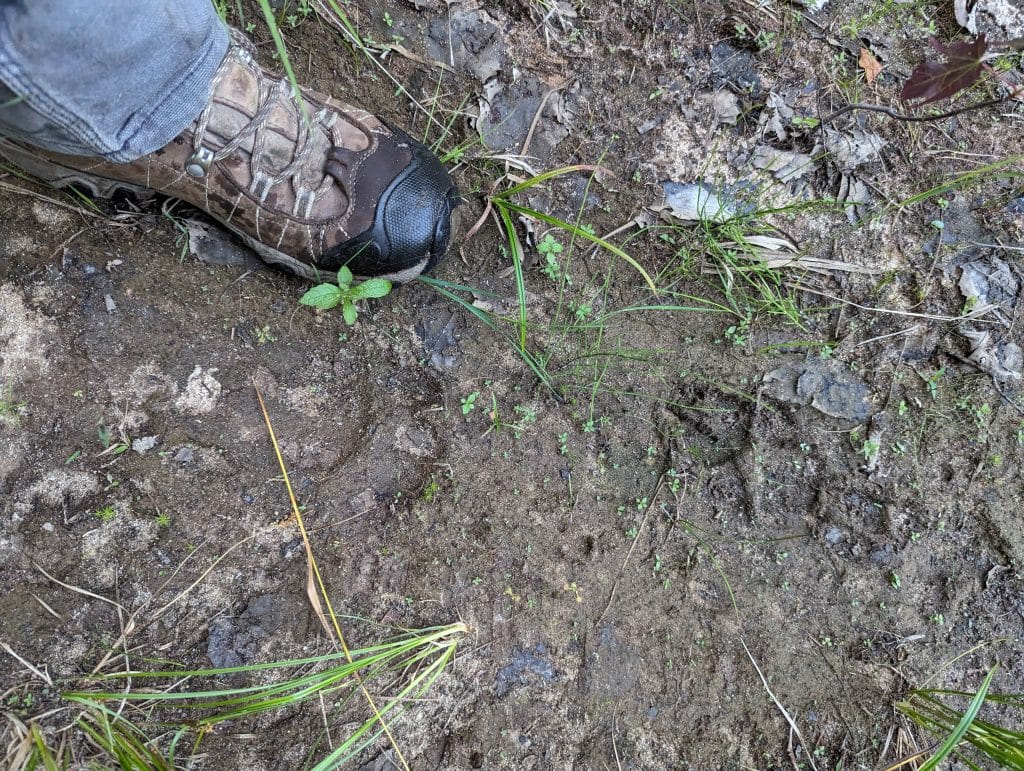
The UP-wolf population has been on a steady rise since the 1990s. As the conservation vs preservation chess game has continued, the anti-hunting movement’s strategy has been to keep moving the goal posts.
The original objective of 50 wolves in the state quickly became 200, and though it’s currently, and conservatively, three times that number, and has been for over 10 years, somehow animal-rights extremists argue, with a straight face, that the criteria for grey wolf delisting has not been met.
Michigan’s state recovery plan requires a minimum winter wolf population of 200 animals for five consecutive years. Since 2011, the minimum estimate for the Michigan wolf population has remained stable, fluctuating slightly above 600 in an estimated 136 packs across all suitable habitat in the UP. This never-ending chase of thresholds acceptable to animal activists has repercussions for wildlife management and the summer training of hounds.
An aggressive wolf is a threat any time of year, to any pack of dogs. In July, wolves are still denned up and pups are not yet independent, which causes the entire pack to be more territorial and aggressive. Houndsmen keep track of how many wolves are in the area and which direction they are heading when looking for bear tracks. Unfortunately, the fate of a hound that runs into a wolf while in pursuit of game is a grim one. Houndsmen have lost entire packs to wolves, with few words to describe the scene they walk into when retrieving collars.
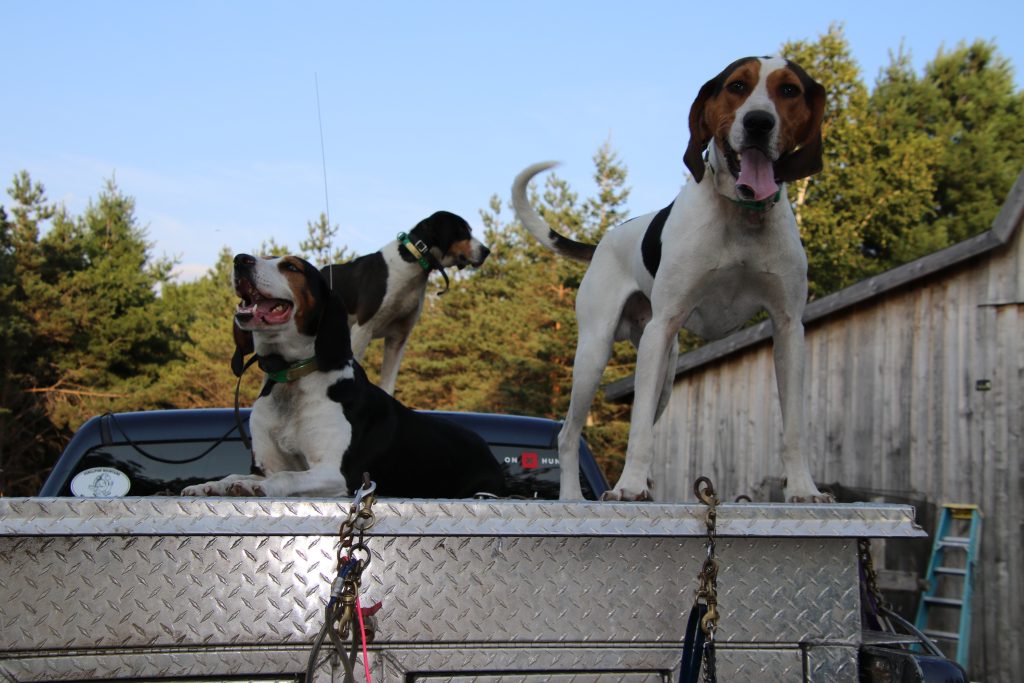
Carl Kronsicki knows all too well the possible outcomes of a pack meeting wolves. It’s a dire fate, and one that’s hard to live with – the emotion in his voice as he recounted the day he lost two dogs to wolves made that clear.
What started out as a promising bear pursuit turned bad fast when four of the six dogs that were started ended up running back to the truck. With two dogs still out there, Carl and his friend went looking. It took less than an hour to walk into what they could only describe as a massacre. Their dogs had been killed, buried, turned to mush by wolves.
That’s now the reality of pursuing bears in wolf country.
Wolves have brought an overall heightened stress level. There is no such thing as taking your time to get to a tree. If a dog is even 100 yards from the rest of the pack, handlers start to worry and head in that direction. Wayward hounds can happen with young, distracted dogs, an older, slow dog or a dog that doesn’t stick under the tree with the rest of the pack. Separated dogs make easy targets for nearby wolves.
Instead of loading up the dogs and family for a traditional summer training chase, most houndsmen leave the dogs at home when looking for tracks. What used to be a fun family outing has turned into a high-stakes game of hide and seek, with handlers checking possible tracks before getting excited. It is just as likely that any bear tracks will have fresh wolf tracks nearby.
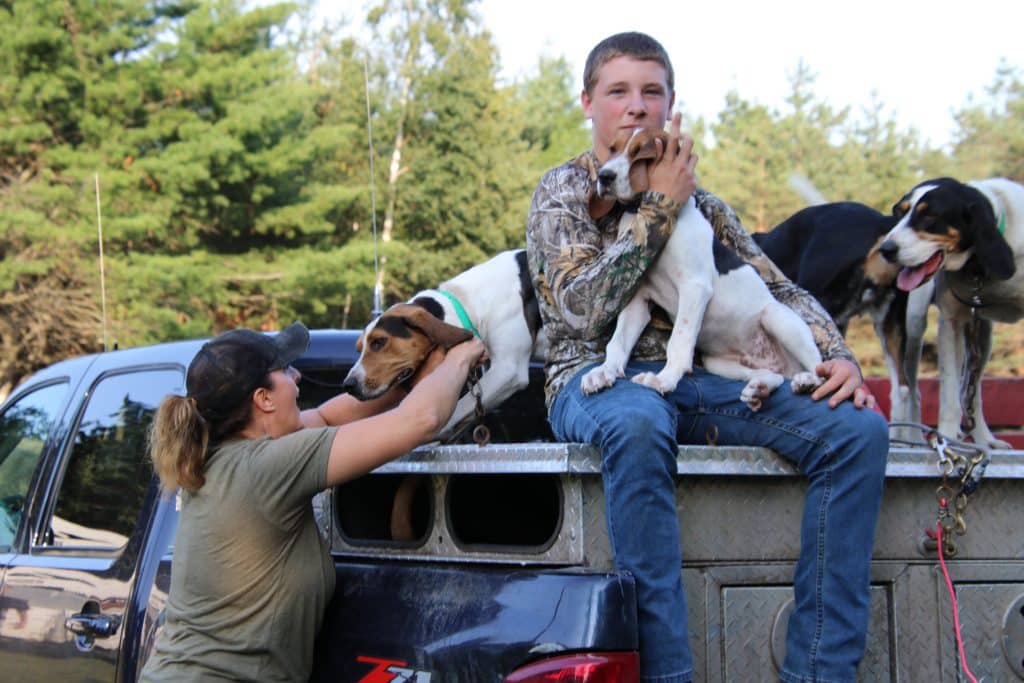
For the Bennetts, the danger posed by wolves to their family, their sons and dogs, is too much. Adam recalls taking a lead role in hound handling when he was young, something he can’t put on his oldest son’s shoulders today because of unmanaged wolf populations.
“It isn’t just going up and handling dogs at the tree anymore. It’s making hard, dangerous, split-second decisions while a pack of dogs is potentially in a fight for their lives with a pack of wolves, and how much danger you could be in at that moment,” he said. “There are just too many life-altering risks for me to comfortably let my sons take the lead in so many situations. And that’s not good for our youth or the future of hound hunting in wolf country.”
A Grim Glimpse into Colorado’s Future
When I visited the Upper Peninsula in July, the dog work is what really interested me. As a Colorado houndsman, it is illegal to run bears with dogs, so this was something I was excited to try. On top of that, Colorado passed Proposition 114 that mandates reintroduction of wolves by the end of 2023, so I was very interested in how my running practices will change with this new wolf reality.
The answers were hardly encouraging.
The only semi-safe way to dump the box on a bear in July is to thoroughly search the area of a track and get on it fast, before it can wander into a wolf-occupied area, dogs in tow.
Even when we found a hot track, upon investigating the area it was deemed too dangerous; right over the bear track was a wolf track just as fresh. “We didn’t have high hopes,” Stephanie Bennett explained. “This happens more often than not here now.”
Sooner than I am ready, I will have the same stresses that come with being a houndsman in wolf country.
Petitioning for Sound Wolf Management
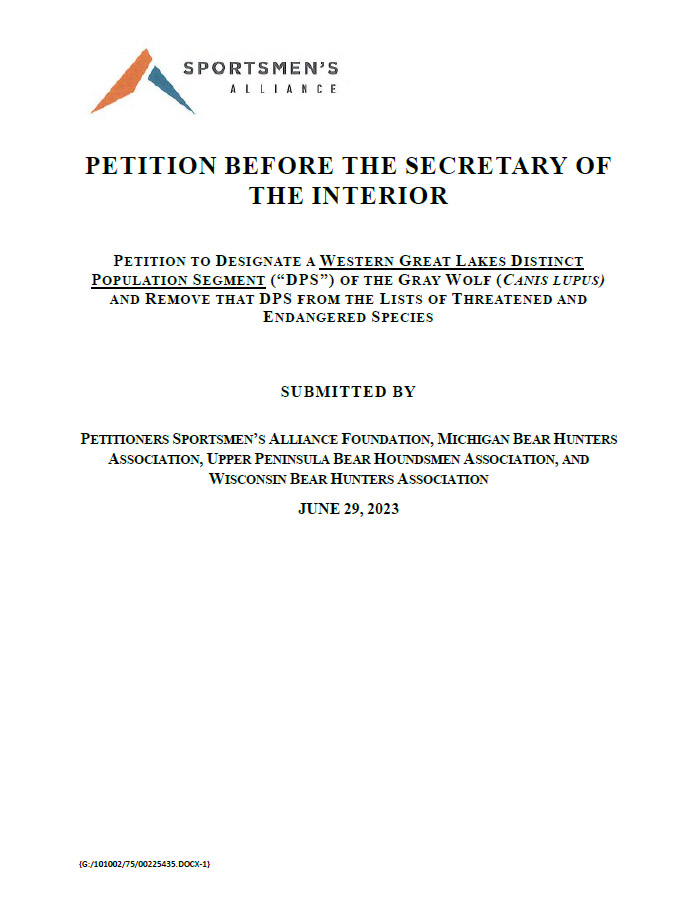
The Sportsmen’s Alliance has fought to delist wolves in the Western Great Lakes for nearly 20 years. In July 2023 we filed a pair of petitions with the U.S. Fish and Wildlife Service (FWS) that would satisfy court rulings and return wolf management to the states.
One petition recognizes and delists the Western Great Lakes Distinct Population (WGL DPS) of wolves within Michigan, Minnesota, and Wisconsin (and areas of adjoining states). The other petition requests FWS to exercise specific management options on remnant wolf populations existing outside of the WGL DPS and the Northern Rocky Mountain Distinct Population Segment created by Congress in 2011, as well as creating a new West Coast Wolves DPS. The petitions, taken together, create a pathway for appropriate management and responsible delisting nationwide.
We were joined in the petitions by the Michigan Bear Hunters Association, Upper Peninsula Bear Houndsmen Association and Wisconsin Bear Hunters Association.
JULY 2, 2024 UPDATE!
The Endangered Species Act requires the FWS to act on these petitions within a year. FWS failed to do so, despite already being notified that they missed their preliminary 90-day-finding deadline. “FWS has had enough time to consider these petitions. Our next step is to go to court to force them to act, and this notice is the first step in that process,” said Sportsmen’s Alliance Foundation Litigation Counsel Michael Jean.
Like What You Read?

This article originally appeared in the Fall 2023 issue of The Sportsmen’s Advocate, the official publication of Sportsmen’s Alliance, a members-only quarterly magazine. Join the Sportsmen’s Alliance today and be the first to read articles like this with a subscription included with your membership.
About the Sportsmen’s Alliance: The Sportsmen’s Alliance and its supporting Foundation protect and defend America’s wildlife conservation programs and the pursuits – hunting, fishing and trapping – that generate the money to pay for them. The organization accomplishes this mission through several distinct programs, including public education, advocacy, litigation and research. Stay connected to the Sportsmen’s Alliance: Online, Facebook, Twitter and Instagram.